
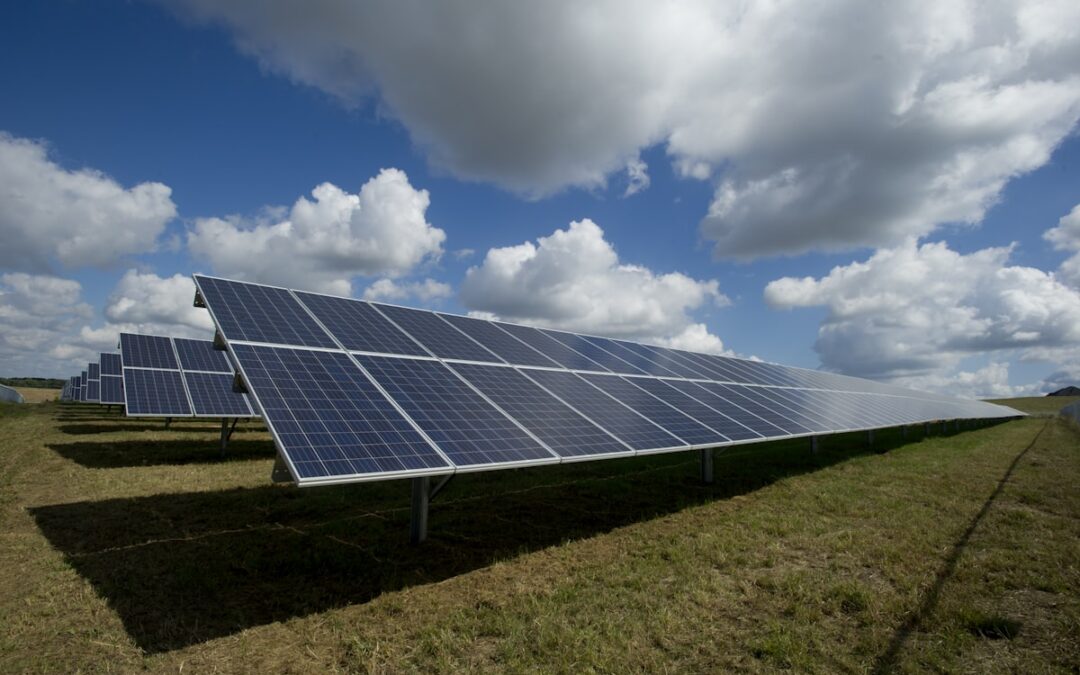
Solar panels are everywhere in southern Maine. Drive through Portland, Falmouth, or Scarborough and you’ll see rooftop arrays on every other block. And for good reason — Maine has better solar potential than most people realize, electricity rates keep climbing, and the economics of solar have never been stronger.
If you’re researching solar for your home, you’re making a smart move. But there’s a step that should come first — one that will make your solar investment work harder and cost less. And it’s the step that most solar installers won’t bring up, because it’s not what they sell.
Before you generate clean energy, reduce the energy you’re wasting.
The Energy Hierarchy
Energy professionals talk about a hierarchy — a logical order of operations for making a home more efficient and sustainable:
- Reduce waste. Stop losing energy through air leaks, poor insulation, and inefficient building practices.
- Improve efficiency. Upgrade to high-efficiency systems — heat pumps, LED lighting, efficient appliances — that do more with less energy.
- Generate clean energy. Once you’ve minimized how much energy your home needs, generate what’s left from renewable sources like solar.
This order isn’t arbitrary. Each step makes the next one more effective and less expensive. Skip the first two, and you end up paying for a larger solar system to power a home that’s wasting a significant chunk of the energy it consumes.
Why Weatherization Comes Before Solar
You Need Fewer Panels
Solar systems are sized based on your home’s energy consumption. If your home uses 12,000 kWh per year, your solar installer will design a system to offset that usage. But what if 3,000-4,000 kWh of that consumption is going straight out through your attic, walls, and air leaks?
A well-insulated, air-sealed home that’s been upgraded with a heat pump might use 8,000-9,000 kWh per year instead of 12,000. That’s a 25-33% reduction in the size of the solar system you need. At current installed costs of $3.00-3.50 per watt in Maine, that can translate to $5,000 to $10,000 in savings on your solar installation.
Fewer panels also means more flexibility in placement. Not every roof has perfect south-facing exposure, and a smaller system is easier to fit on the available space.
Faster Payback
A solar system that costs $20,000 on an inefficient home takes longer to pay for itself than a $14,000 system on an efficient home — even though both homes end up with similar electricity bills. The weatherization work has its own payback through reduced heating costs, and the solar system pays back faster because it’s appropriately sized.
You Eliminate the Biggest Energy Expense First
In Maine, space heating is the dominant energy cost for most homes. A homeowner burning 600-800 gallons of oil per year at $3.50-4.00 per gallon is spending $2,100 to $3,200 just to stay warm. Solar panels don’t directly offset oil consumption (unless you switch to electric heating first).
The logical sequence:
- Air seal and insulate to reduce your heating load
- Install a cold-climate heat pump to replace oil or propane with efficient electric heating
- Then go solar to offset the electricity your heat pump and home consume
This is the path to a genuinely low-energy or net-zero home. Solar alone gets you clean electricity, but it doesn’t fix a drafty, expensive-to-heat house.
What Solar Installers Know (But Don’t Always Say)
The best solar companies in Maine understand this. Reputable installers across the state actively recommend that homeowners weatherize before going solar. Some solar companies even refer customers to weatherization contractors — including Horizon Homes — before they’ll finalize a system design.
Why? Because they know that a right-sized solar system on an efficient home leads to a happier customer. Nobody wants to invest $20,000 in solar panels and still have a $300 heating bill because their house leaks like a sieve.
A good solar installer will ask about your insulation, your heating system, and your overall energy usage before recommending a system size. If they don’t ask, that’s worth noting.
The Numbers: A Maine Example
Here’s how the math works for a typical 1,800-square-foot Colonial in the Portland area:
Scenario A: Solar Only
- Current energy use: 800 gallons oil ($3,200/yr) + 8,000 kWh electricity ($1,600/yr) = $4,800/yr
- Solar system sized for electricity only: 6.5 kW, ~$19,500 before incentives
- Still burning oil: $3,200/yr in heating costs remains
- Net annual energy cost after solar: ~$3,200
Scenario B: Weatherize + Heat Pump + Solar
- Weatherization (air sealing + insulation): $9,000, minus $3,500 Efficiency Maine rebate = $5,500
- Heat pump system (right-sized for insulated home): $13,000, minus $4,000 rebate = $9,000
- New total energy use: ~9,500 kWh electricity ($1,900/yr), no oil
- Solar system sized for total electric load: 7.5 kW, ~$22,500, minus 30% federal tax credit = $15,750
- Net annual energy cost after solar: ~$200 (grid charges, cloudy months)
The Bottom Line
| Solar Only | Weatherize + Heat Pump + Solar | |
|---|---|---|
| Total investment (after rebates/credits) | $13,650 | $30,250 |
| Annual energy cost | $3,200 | $200 |
| Annual savings vs. baseline | $1,600 | $4,600 |
| Simple payback | 8.5 years | 6.6 years |
The whole-home approach costs more upfront, but the payback is actually faster because the annual savings are so much greater. And after the payback period, you’re saving $4,600 per year instead of $1,600.
Not Anti-Solar — Pro-Sequence
Let’s be clear: solar energy is fantastic. Maine’s net metering policy, the federal investment tax credit, and declining equipment costs make rooftop solar one of the best investments a homeowner can make. We’re not suggesting you skip solar. We’re suggesting you do things in the right order.
Think of it like this: if you were building a new home, you wouldn’t install the HVAC system before framing the walls and putting on the roof. The envelope comes first. The same logic applies to an existing home.
Weatherize. Electrify your heating. Then go solar. That’s the path to a home that’s comfortable, affordable to operate, and genuinely sustainable.
Maine Incentives Support the Whole Path
Efficiency Maine offers rebates at every stage:
- Insulation and air sealing: Rebates up to $4,000+ depending on scope and income
- Heat pumps: Rebates of $800 to $4,000+ per system
- Heat pump water heaters: Up to $950
Federal tax credits add another layer: the 25C credit covers 30% of insulation and heat pump costs (up to annual limits), and the 25D credit covers 30% of solar installation costs with no cap.
When you stack state rebates and federal credits across weatherization, heat pumps, and solar, the total incentives can reach $15,000 to $20,000 or more. That’s a significant offset on a whole-home project.
Where Horizon Homes Fits In
We’re not a solar company, and we don’t install panels. What we do is the work that should happen before the panels go on: air sealing, insulation, heat pump installation, and ventilation. We’ve been doing this across Greater Portland since 2006, and we work alongside several solar installers who share our belief in the whole-home approach.
If you’re already talking to a solar company, ask them about weatherization. If they recommend doing it first, they’re giving you good advice. If they don’t mention it, come talk to us.
Start With a Free Energy Assessment
Whether solar is six months away or six years away, the best first step is understanding your home’s current energy performance. Our free energy assessment identifies insulation gaps, air leakage paths, and heating system opportunities — giving you a clear roadmap, including cost estimates and rebate projections, for reducing your energy load before going solar.
Or call us at (207) 221-3221. We serve Portland, South Portland, Westbrook, Scarborough, Falmouth, Cape Elizabeth, Gorham, Windham, Yarmouth, Freeport, Brunswick, and communities throughout southern Maine.