
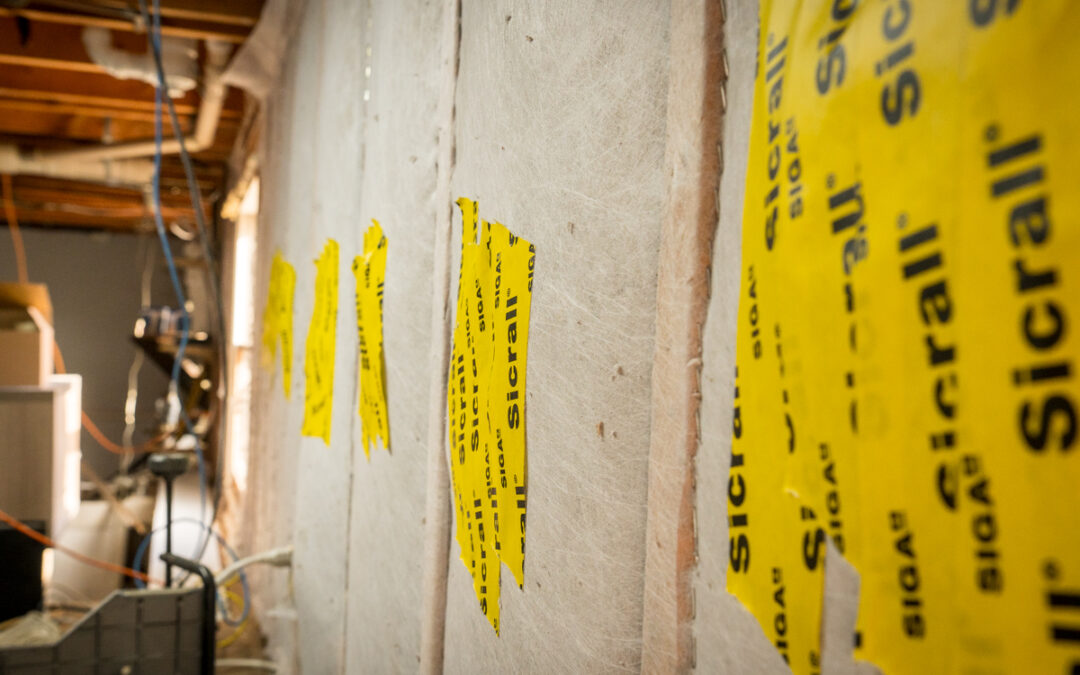
The Situation: A Cold House and Rising Oil Bills
When Sarah and Matt bought their 1,600-square-foot ranch in Westbrook in 2021, they knew it wasn’t perfect. The house was built in 1974 — solid bones, decent neighborhood, a good yard for their two young kids. But the winters told a different story.
Their oil furnace was working overtime. They were burning through about 800 gallons of heating oil a year, and with oil prices hovering near $4.00 a gallon, their annual heating cost had climbed above $3,200. The kids’ bedrooms at the far end of the house were consistently 8 to 10 degrees cooler than the living room. The basement was damp. And despite keeping the thermostat at 68, they were always layering up.
“We just assumed that’s what winter in Maine was like,” Sarah told us. “You put on a sweater, you pay the oil bill, and you deal with it.”
They reached out to Horizon Homes after a neighbor mentioned our free energy assessment. What they learned changed how they thought about their home.
The Assessment: Finding the Real Problems
Our energy advisor spent about an hour at the house doing a thorough visual inspection — checking every area of the home from attic to basement, identifying every opportunity for improvement. That’s what our initial assessment is: an experienced set of eyes going through your home systematically, looking at insulation levels, air leakage paths, heating equipment, and moisture issues. We rarely need diagnostic testing at this stage — an experienced advisor can see the problems.
What We Found
- Attic: Just 4 inches of old fiberglass batting — about R-11, when current standards call for R-49 or higher in Maine’s climate zone. Major air leaks around the attic hatch, bathroom fan penetrations, and electrical wiring.
- Walls: Original fiberglass insulation that had settled and compressed over 50 years, leaving the upper portions of several wall cavities essentially empty.
- Basement: No insulation on the foundation walls or rim joist. The rim joist alone was responsible for a significant portion of the home’s heat loss — essentially a continuous gap between the house frame and the foundation, open to the cold.
- Heating system: A 22-year-old oil furnace operating at roughly 80% efficiency. Functional, but nearing end of life and burning more fuel than necessary.
- Ventilation: No mechanical ventilation. The house was “ventilated” entirely by air leaks — which meant poor air quality and no control over moisture.
The bottom line: the house was working against itself. The furnace was pumping out heat, and the building envelope was letting most of it escape.
The Plan: Whole-Home Approach
This is where Horizon Homes’ whole-home approach makes the biggest difference. Rather than just slapping a heat pump on a leaky house, we address the building envelope first. You insulate and air seal, then right-size the heating system for the home’s actual needs — which are now much smaller.
Here’s what we recommended, and what Sarah and Matt decided to move forward with:
Phase 1: Air Sealing and Insulation
- Comprehensive air sealing — sealing every penetration, gap, and crack in the attic floor, basement rim joist, and around windows and doors. This alone can reduce heat loss by 20-30%.
- Attic insulation — blown-in cellulose insulation brought up to R-60. Cellulose is dense-packed, fills irregular cavities completely, and performs exceptionally well in Maine’s cold climate.
- Wall insulation — dense-pack cellulose blown into the wall cavities from the exterior, filling the voids left by the old fiberglass without removing the siding.
- Basement insulation — rigid foam board on the foundation walls and spray-applied insulation at the rim joist, turning the basement from an energy drain into part of the conditioned space.
Phase 2: Heating and Ventilation
- Three-zone Mitsubishi cold-climate heat pump system — one outdoor compressor serving three indoor heads: living area, primary bedroom, and kids’ bedrooms. These units are rated to operate efficiently down to -15°F, which covers all but the most extreme Maine nights.
- Bathroom ERV (Energy Recovery Ventilator) — now that the house was properly sealed, we needed controlled ventilation to maintain healthy indoor air quality. The ERV brings in fresh air while recovering heat from the outgoing stale air.
- Oil furnace retained as backup — rather than removing the existing furnace, we kept it in place as a backup for the coldest nights or as a redundancy during the transition. In practice, it barely runs.
The Numbers
| Total Project Cost | $28,500 |
| Efficiency Maine Rebates | -$7,500 |
| Federal Tax Credits (25C) | -$3,200 |
| Net Cost After Incentives | $17,800 |
Annual Heating Cost: Before and After
| Before | ~800 gallons oil at $4.00/gal = $3,200/year |
| After | ~6,500 kWh electricity ($1,300) + ~50 gallons oil ($200) = $1,500/year |
| Annual Savings | $1,700/year |
At $1,700 in annual savings, the net project cost pays for itself in just over 10 years — and that’s at today’s energy prices. If oil continues to climb, the payback gets shorter.
The Results: One Year Later
We checked in with Sarah and Matt after their first full winter with the new system. Here’s what they told us:
“The biggest thing isn’t even the money — it’s that the house is actually comfortable now. The kids’ rooms are the same temperature as the rest of the house. We’re not fighting with the thermostat. And we barely touched the oil furnace all winter. I think we filled the tank once, and it’s still three-quarters full. We went from dreading our oil delivery to basically forgetting about it.”
A few specific results from that first winter:
- Oil consumption dropped from 800 gallons to roughly 50 gallons (backup use only)
- The heat pumps handled heating down to about -12°F without any issue
- Temperature variation between rooms dropped from 8-10°F to 2-3°F
- The basement went from damp and chilly to dry and usable as play space for the kids
- Summer cooling was an unexpected bonus — the heat pumps provided air conditioning they’d never had before
Why the Whole-Home Approach Matters
If Sarah and Matt had just installed heat pumps without addressing the insulation and air sealing first, the results would have been very different. The heat pumps would have been oversized for the actual heating load, they would have run less efficiently, and the comfort problems in the bedrooms would have persisted. They would have spent more on a bigger heat pump system and saved less on their energy bills.
By insulating and sealing first, we were able to install a smaller, less expensive heat pump system that performs better. That’s the whole-home approach in action — and it’s how we’ve done every project at Horizon Homes since 2006.
Is Your Home Ready for the Same Transformation?
Every home is different, but the pattern we see across Greater Portland is remarkably consistent: older homes with inadequate insulation, air leaks, and aging heating systems that cost far more to operate than they should. Whether you’re in a 1970s ranch like Sarah and Matt’s, a 1920s Colonial in Portland, or a 1990s Cape in Scarborough, there’s likely significant room for improvement.
Start with a Free Energy Assessment
Find out where your home is losing energy, what improvements make the most sense, and how much you could save — including available rebates and tax credits. No cost, no obligation.
Book Your Free Assessment Online or call us at (207) 221-3221.