
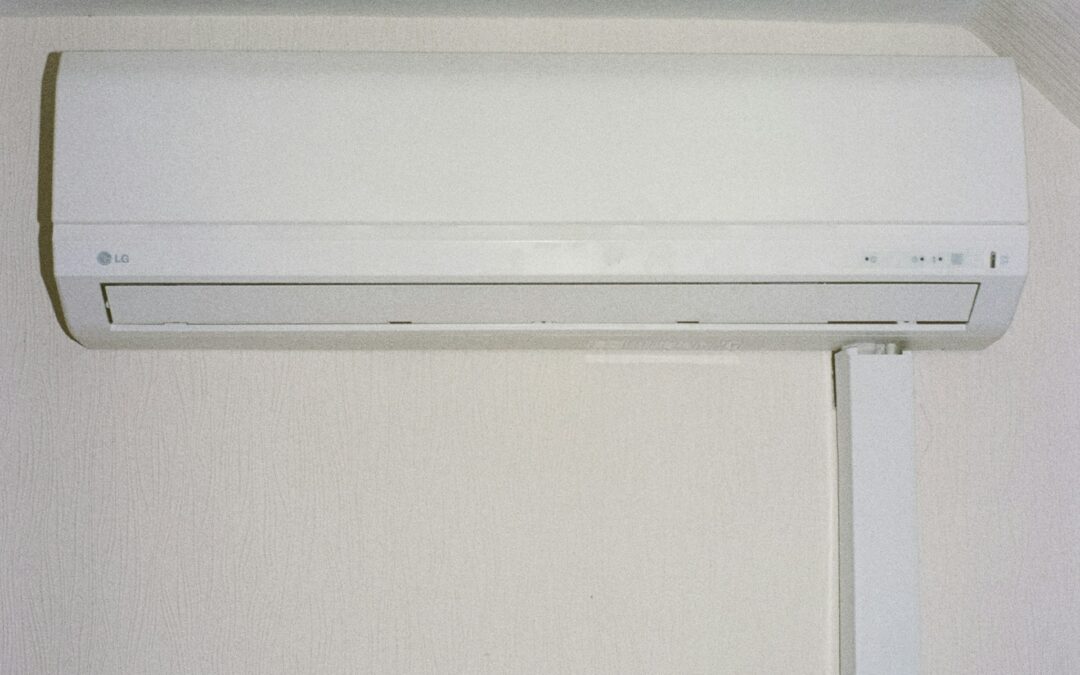
If you have lived in Maine for any length of time, you have probably heard someone say it: “Heat pumps do not work when it gets really cold.” Maybe your neighbor said it. Maybe you read it online. Maybe your oil delivery driver mentioned it with a knowing nod.
Ten years ago, there was some truth to it. The first generation of heat pumps sold in Maine were designed for moderate climates and struggled once temperatures dropped below 20 or 25 degrees. They would switch to inefficient backup electric resistance heating, and your electricity bill would spike right when you needed savings the most.
But the technology has come a long way since then. Today’s cold-climate heat pumps are engineered specifically for places like Maine, and they are performing remarkably well, even during our coldest stretches.
What Makes a Cold-Climate Heat Pump Different
A heat pump works by moving heat from one place to another. In winter, it extracts heat from the outdoor air and moves it inside. Yes, there is heat energy in outdoor air even when it is well below freezing.
Standard heat pumps use a basic compressor that loses capacity as outdoor temperatures drop. By the time it hits single digits, they are producing significantly less heat and consuming much more electricity to do it.
Cold-climate heat pumps, on the other hand, use advanced inverter-driven compressors and enhanced vapor injection technology that maintain strong heating capacity at much lower temperatures. The difference is substantial.
At Horizon Homes, we install Mitsubishi Hyper-Heat cold-climate mini-split systems. These units are rated to provide heat down to -13 degrees Fahrenheit, and they continue to operate (at reduced capacity) even beyond that. During the January 2024 cold snap, when temperatures in the Portland area dipped to -10 and below for several days, our customers’ systems kept running and kept their homes warm.
The Efficiency Numbers That Matter
Here is where it gets interesting for anyone who pays attention to heating costs, which in Maine is pretty much everyone.
Heat pump efficiency is measured by something called the Coefficient of Performance, or COP. A COP of 1.0 means the system produces one unit of heat for every unit of electricity consumed, which is what a standard electric space heater does. A COP of 3.0 means you get three units of heat for every one unit of electricity. In other words, you are getting three times more heat than you are paying for.
Here is how cold-climate heat pumps perform across a range of Maine winter temperatures:
| Outdoor Temperature | Approximate COP | What That Means |
|---|---|---|
| 40 degrees F | 3.5 – 4.0 | 3.5 to 4x more efficient than electric resistance |
| 25 degrees F | 2.5 – 3.0 | Still nearly 3x more efficient |
| 5 degrees F | 2.0 – 2.5 | Still 2x more efficient than electric resistance |
| -5 degrees F | 1.5 – 2.0 | Still beating electric resistance by 50-100% |
| -13 degrees F | 1.2 – 1.5 | Still producing heat, still more efficient |
The key takeaway: even at 5 degrees Fahrenheit, a cold-climate heat pump delivers roughly twice as much heat per dollar as electric baseboard or a space heater. And when you compare it to heating oil at current prices, the savings are even more dramatic. On a cost-per-BTU basis, a heat pump running at a COP of 2.0 costs roughly half what oil heating does at today’s prices.
But What About the Really Cold Days?
Fair question. In a typical Maine winter, temperatures below -10 degrees account for only a handful of hours across the entire season. In Greater Portland, the average January low is around 12 degrees, and most winter days stay well within the range where heat pumps operate at high efficiency.
For the rare occasions when temperatures plunge below the system’s rated minimum, most homeowners keep a backup heating source available. That might be an existing oil boiler, electric baseboard in key rooms, or even a wood stove. The heat pump handles 90 to 95 percent of your heating needs through the season, and the backup kicks in for those extreme hours.
This is a practical, common-sense approach. You do not need to rip out your existing heating system to benefit from a heat pump. Many of our customers start with one or two heat pump zones to cover their main living areas, keep their boiler as backup, and then expand the system over time as they see the savings add up.
Why Insulation Makes Heat Pumps Work Even Better
Here is something that does not get talked about enough: a heat pump is only as good as the home it is heating.
If your home is poorly insulated and full of air leaks, a heat pump has to work harder to keep up. It will still save you money compared to oil, but you will not get the full benefit. Worse, you might end up oversizing the system to compensate for heat loss, which costs more upfront and runs less efficiently.
This is why we take a whole-home approach at Horizon Homes. Before recommending a heat pump system, we evaluate your home’s insulation and air sealing. If there are gaps, we address those first. Then we right-size the heat pump to match the home’s actual heating needs, not the inflated needs of a leaky building.
The result:
- A smaller, less expensive heat pump system because the home holds heat better
- Lower electricity bills because the system runs less often and at higher efficiency
- Better comfort with fewer temperature swings and no cold spots
- Maximum rebates from Efficiency Maine, which offers incentives for both insulation and heat pumps
What About the Noise?
Another common concern we hear: “Are the outdoor units loud?” Modern cold-climate mini-splits are remarkably quiet. The outdoor unit on a Mitsubishi Hyper-Heat system runs at about 50 decibels at full capacity, which is roughly the volume of a quiet conversation. At partial load, which is how they run most of the time, they are nearly inaudible. The indoor units are even quieter, typically around 19 to 25 decibels, quieter than a whisper.
The Bottom Line
Cold-climate heat pumps are not an experiment. Tens of thousands of Maine homes are heating with them right now, through every polar vortex, nor’easter, and subzero morning that our winters throw at us. The technology is proven, the economics make sense, and the rebates and tax credits currently available make this one of the most cost-effective home improvements you can make.
If you have been on the fence because you were not sure they would hold up to a real Maine winter, we get it. We had those same questions when we started installing them. Twenty years of doing this work and thousands of installations later, we can tell you with confidence: they work.
See How a Heat Pump Would Work in Your Home
Every home is different, and the right system depends on your layout, your current insulation, and how you use your space. The best way to find out what would work for you is a no-pressure assessment where we look at the whole picture.
Schedule your free energy assessment and we will walk you through the options, the costs, the savings, and the available rebates. No sales pitch, just honest information from a team that has been doing this in Maine since 2006.
Or call us at (207) 221-3221 with any questions. We are always happy to talk heat pumps.